
Every year, the Mobile World Congress turns Barcelona into the global epicenter of technology. Although it has traditionally been associated with smartphones and mobile devices, the reality is that MWC has evolved into a global showcase for artificial intelligence, advanced connectivity, IoT, robotics, and automation.
But… what does all of this have to do with industry?
Much more than it may seem.
The technologies presented at MWC do not only impact the end consumer. They are redefining how factories, logistics centers, and industrial automation systems operate.
1. 5G and advanced connectivity: faster and more synchronized factories
5G connectivity is not just an improvement in mobile speed. In industrial environments, it means:
Real-time communication between machines
Instant process monitoring
Reduced latency in robotic systems
Greater flexibility in plant layout
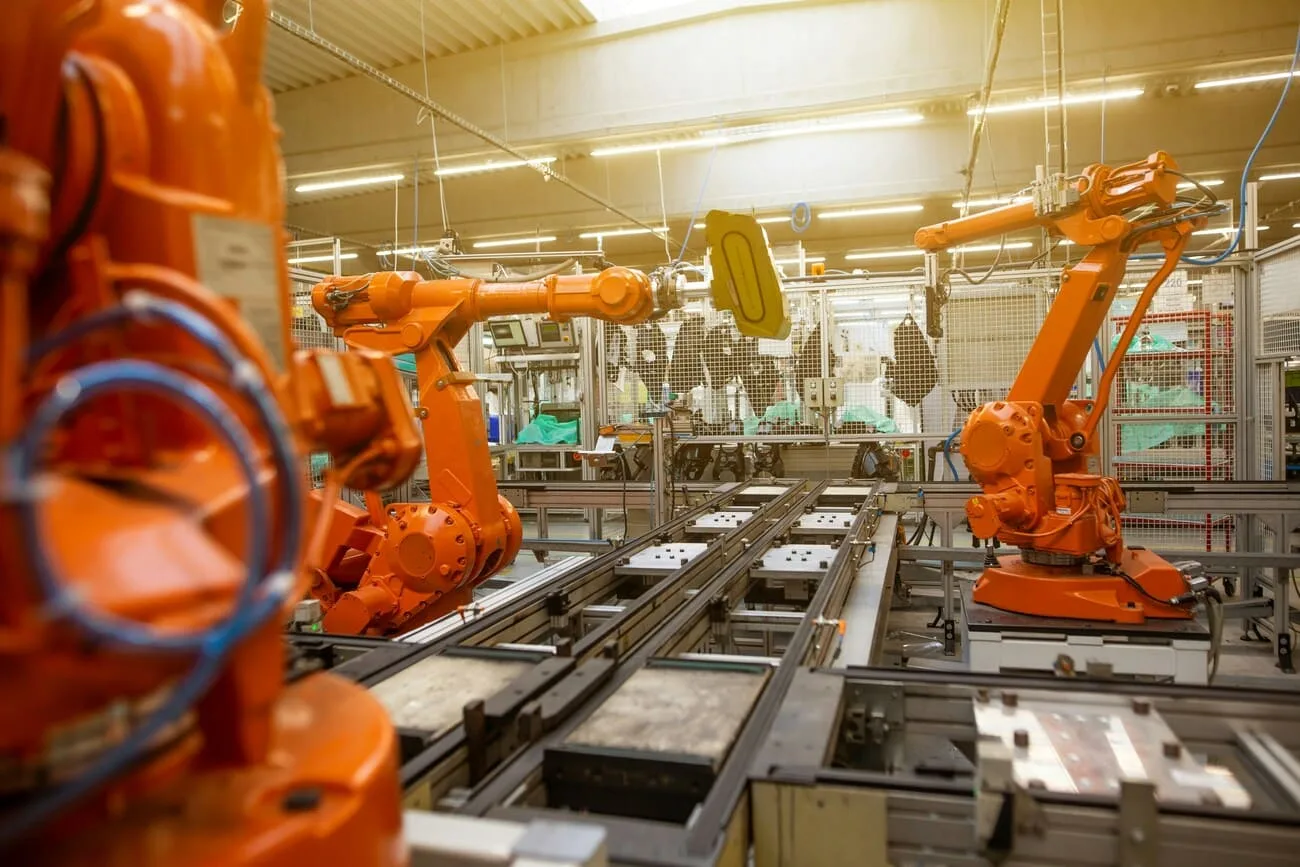
In robotic palletizing systems, for example, advanced connectivity allows the palletizing robot to be integrated with conveyor systems, sensors, and management software without delays or interruptions.
The result: more efficient, coordinated, and scalable lines.
2. Artificial Intelligence applied to industrial automation
If there is one clear protagonist at today’s MWC, it is Artificial Intelligence.
In industry, AI is no longer a future promise: it is an operational tool that enables:
Optimization of production cycles
Detection of anomalies before failures occur
Automatic parameter adjustment
Improved energy efficiency
In end-of-line environments, AI can optimize palletizing patterns, improve load stability, and adapt to different product formats.
Collaborative cobots integrated with intelligent systems enable flexible automation, especially in companies that require frequent product changes.
3. Industrial IoT: machines that “talk” to each other
The Internet of Things (IoT) connects sensors, robots, conveyors, and control systems into an intelligent network.
This enables:
Full product traceability
Remote control of installations
Real-time data analysis
Predictive maintenance
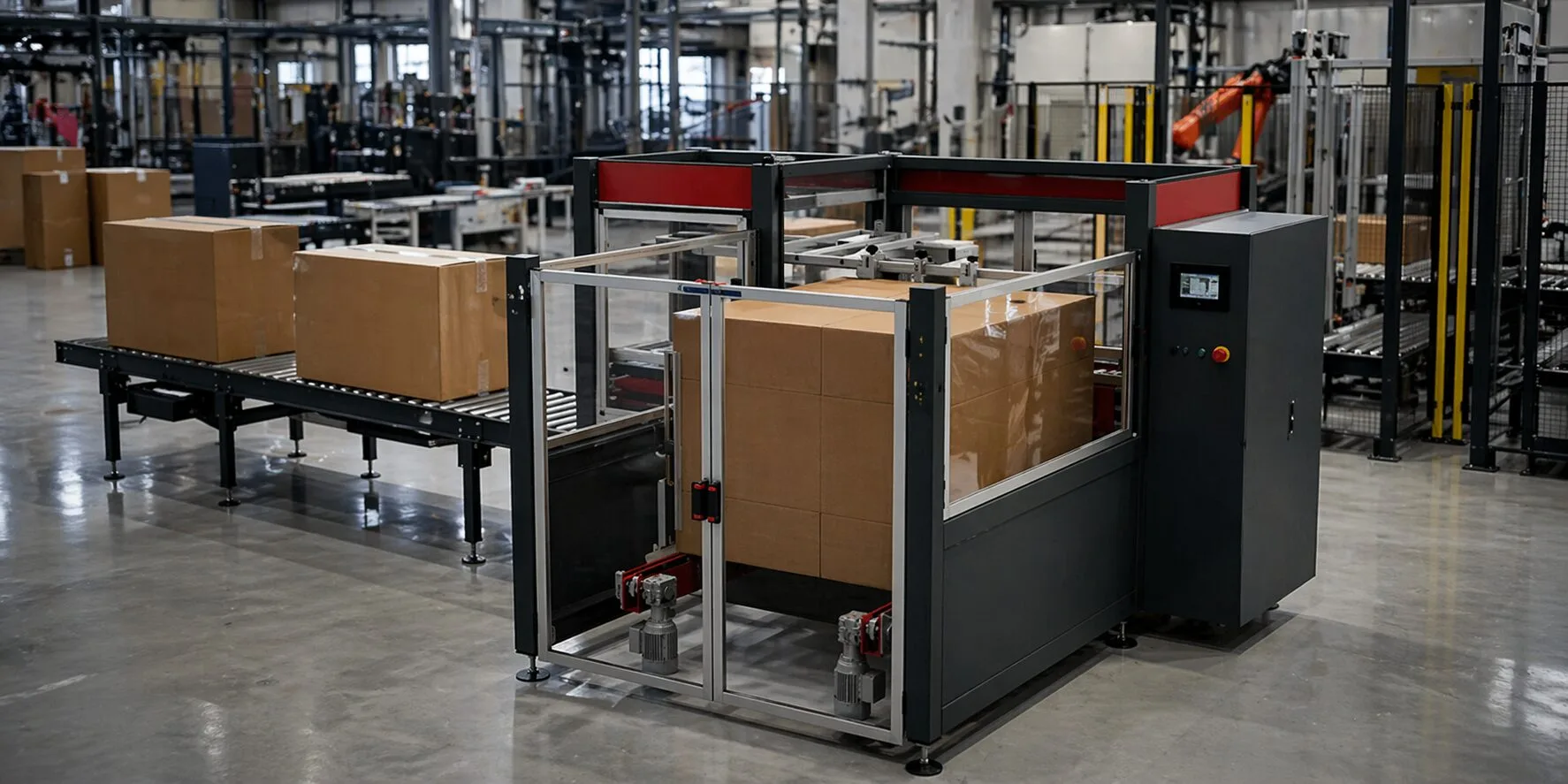
In an end-of-line automation solution, IoT allows every element —from the conveyor to the palletizing robot— to be part of an integrated ecosystem.
Industry no longer operates with isolated machines, but with interconnected systems.
4. Edge computing: decisions in milliseconds
One of the most relevant technological trends is data processing directly within the production environment (edge computing), without relying exclusively on the cloud.
This enables:
Immediate response to incidents
Greater data security
Operational continuity even without external connection
In robotic applications, this capability is key to maintaining precision, stability, and consistent performance.
5. The invisible logistics behind major events
The Mobile World Congress itself is an example of logistical complexity:
Thousands of exhibitors
Tons of materials
Assembly and dismantling in record time
Continuous flows of goods
None of this would be possible without advanced transport, handling, and automation systems.
The same applies in industry: efficiency depends not only on the product, but on how it is moved, grouped, and prepared for shipment.
This is where robotic palletizing systems and logistics automation make the difference.
6. Beyond Mobile: transformation is already underway
MWC talks about connectivity, artificial intelligence, and digitalization.
Industry talks about:
Efficiency
Productivity
Safety
Resource optimization
Both worlds are increasingly connected.
Today’s industrial automation already integrates:
Advanced robotics
Intelligent systems
Real-time connectivity
Full process integration
The future of industry is not a distant vision. It is a technological evolution that is already underway.
Conclusion: from technological innovation to industrial efficiency
Events such as the Mobile World Congress remind us that technology is advancing rapidly. But the real impact happens when that innovation is transferred to the production environment.
Connectivity, AI, and intelligent automation are not isolated trends: they are the pillars of the modern factory.
At IHRESS, we understand automation as an integrated system where robotics, transport, and control work in coordination to optimize end-of-line processes and improve industrial competitiveness.
Because innovation is not only presented at conferences.
It is implemented on the shop floor.
Discover our end-of-line solutions
Contact us and we will help you carry out the analysis with no obligation.
Request a free consultation